
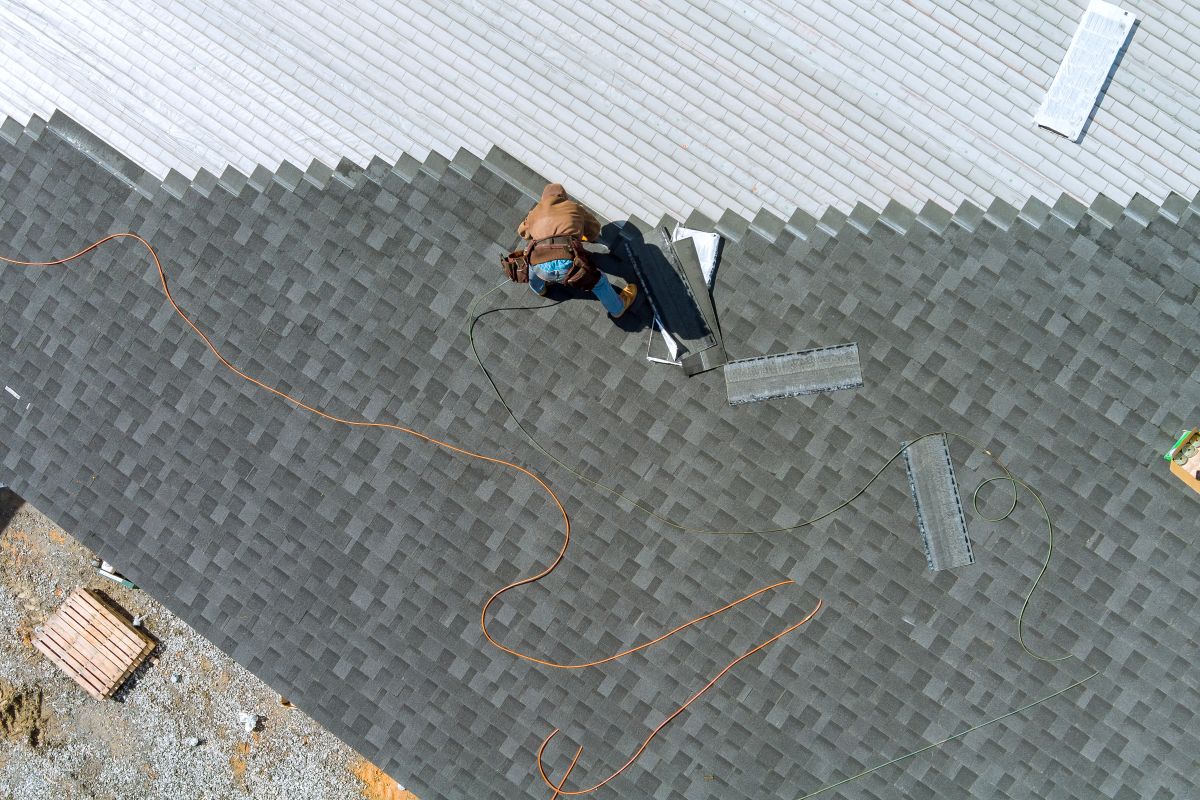
Roofing
Shingle Roof Cost Breakdown (8 Pricing Factors To Know)
Getting a real answer on shingle roof cost is harder than it should be, since every contractor’s quote seems to land at a different number for what looks like the same asphalt shingle roof project on paper. The truth is that shingle roof replacement costs vary based on a stack of variables that most estimates never fully break down for the homeowner. This guide walks through the 8 biggest pricing factors that shape a residential shingle roof replacement, from material grade through labor rates and disposal fees, so Denver homeowners can read a proposal with real understanding rather than guessing at the line items. For a deeper look at how the full project comes together, our complete roofing process covers what happens between the estimate and the final walkthrough.
Here is what this guide covers:
- Cost range overview: What Denver homeowners typically pay for a shingle roof.
- 8 key pricing factors: The variables that push shingle roof cost up or down.
- Material comparison: How shingle grades affect total roof replacement cost.
- Common cost surprises: The line items homeowners overlook until estimate time.
- Frequently asked questions: Answers to what homeowners search for most often.
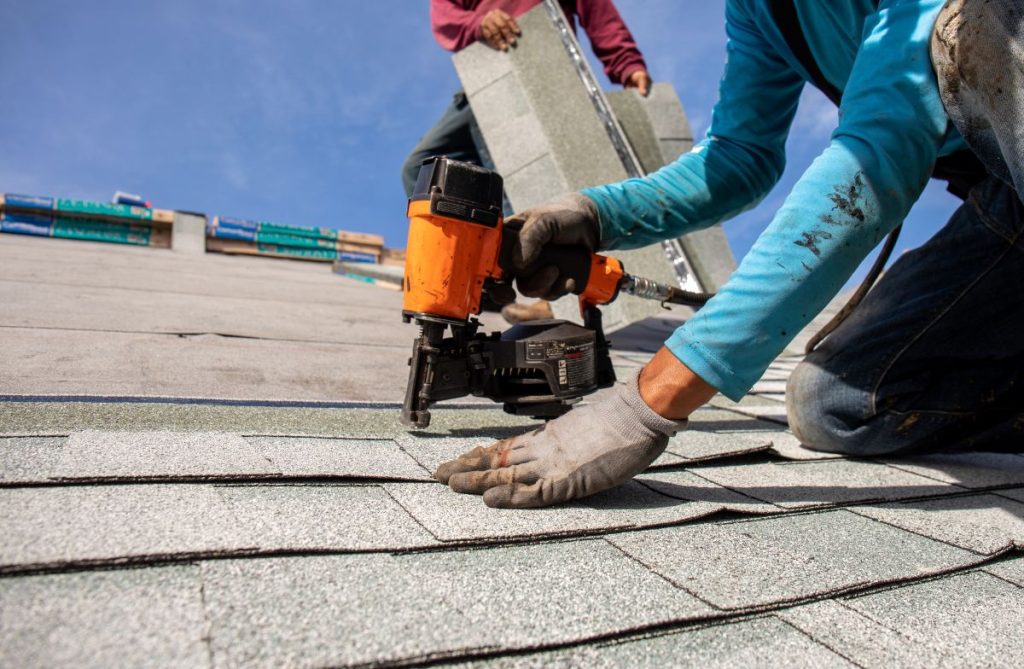
Average Shingle Roof Cost Overview
Full roof replacement costs $7,000 to $15,000 or more, with most Denver-area projects landing somewhere in that range depending on the size of the home, the type of shingle selected, and the complexity of the roof itself. The wide range surprises homeowners at first, but each variable adds up quickly when you break the total down into individual components on a per square foot basis. Materials typically cover 30% to 50% of the roof replacement cost, with labor, disposal, and accessory items making up the remainder of the total. Asphalt shingles are the most popular residential roofing material in North America, and the vast majority of quotes Denver homeowners receive will be built around asphalt-based systems.
What Drives the Wide Price Range
The reason asphalt shingle roof costs vary so much comes down to how many separate decisions go into a single project. Two homes on the same street can end up with dramatically different totals based on shingle grade, roof pitch, and how much deck repair the crew finds once tear-off begins. There are various types of roofing shingles including asphalt, metal, wood, composite, and slate, and the type selected influences every downstream cost on the estimate.
- Home size: Total square footage of the roof determines material and labor volume.
- Shingle grade: Three-tab, architectural shingles, and designer roof shingles all price differently.
- Roof complexity: Multiple valleys, dormers, and pitches add labor time.
- Deck condition: Rotted sheathing found during tear-off adds unplanned costs.
- Local labor rates: Denver labor pricing varies from more rural Colorado markets.
8 Key Pricing Factors To Know
The breakdown below covers every major variable that shapes a shingle roof cost estimate, so homeowners can spot exactly where a proposal is pulling its numbers from before signing anything.
1. Roof Size and Square Footage
Roofing contractors price projects by the “roofing square,” which equals 100 square feet of roof surface. Larger homes need more material and labor, but roof size is not always the same as home size, since factors like pitch and overhangs affect the actual square foot calculation for the roof surface.
- Simple ranches: Typically 15 to 25 squares of roofing material required.
- Two-story homes: Often 25 to 40 squares depending on footprint and roof design.
- Larger homes: 40 or more squares for homes over 3,000 square feet.
2. Shingle Grade and Material Choice
Shingle type is one of the largest variables on any roofing estimate. Three-tab shingles cost the least, architectural asphalt shingles sit in the middle, and premium designer or impact-rated shingles command the highest prices on a per-square basis for material alone.
- Three-tab shingles: Budget-tier option, roughly $80 to $120 per square in material.
- Architectural shingles: Mid-tier at around $100 to $180 per square in material.
- Designer shingles: Premium tier at $250 to $400+ per square in material.
3. Roof Pitch and Complexity
Steeper roofs and roofs with multiple planes take longer to install and require additional safety equipment for the crew. A simple gable roof installs faster than a roof with hips, valleys, dormers, and multiple pitches, and that labor difference shows up directly on the shingle roof replacement estimate.
- Low pitch: Fastest to install with standard fall protection equipment.
- Steep slope roofs: Require harnesses, roof jacks, and slower installation pace.
- Complex designs: Dormers, valleys, and hips add cutting labor and material waste.
4. Tear-Off and Disposal Fees
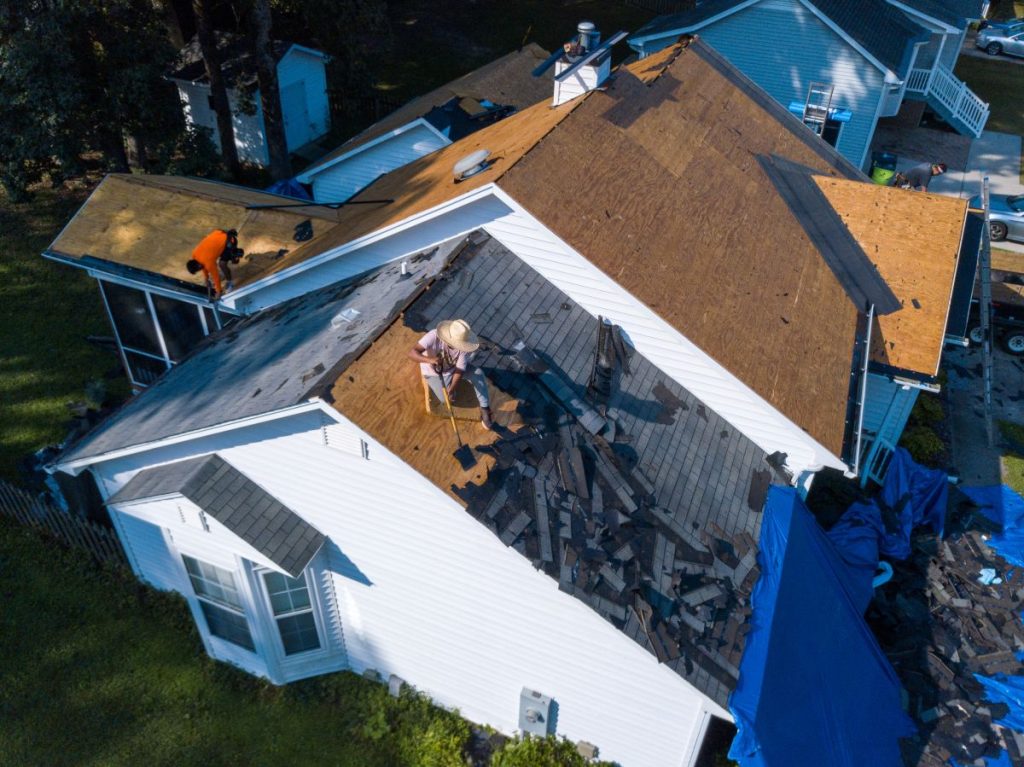
Removing the existing roofing material before installing a new one adds meaningful cost to any replacement project. Removing old shingles adds $1 to $5 per square foot to costs, and tear-off pricing depends on how many shingle layers currently exist, the weight of the material being removed, and disposal fees at the local waste facility handling the debris.
- Single-layer tear-off: Most common scenario for Denver-area homes.
- Multi-layer tear-off: Doubles or triples the labor time and disposal weight.
- Dumpster rental: Typically $400 to $800 depending on job size and rental duration.
5. Underlayment and Accessory Materials
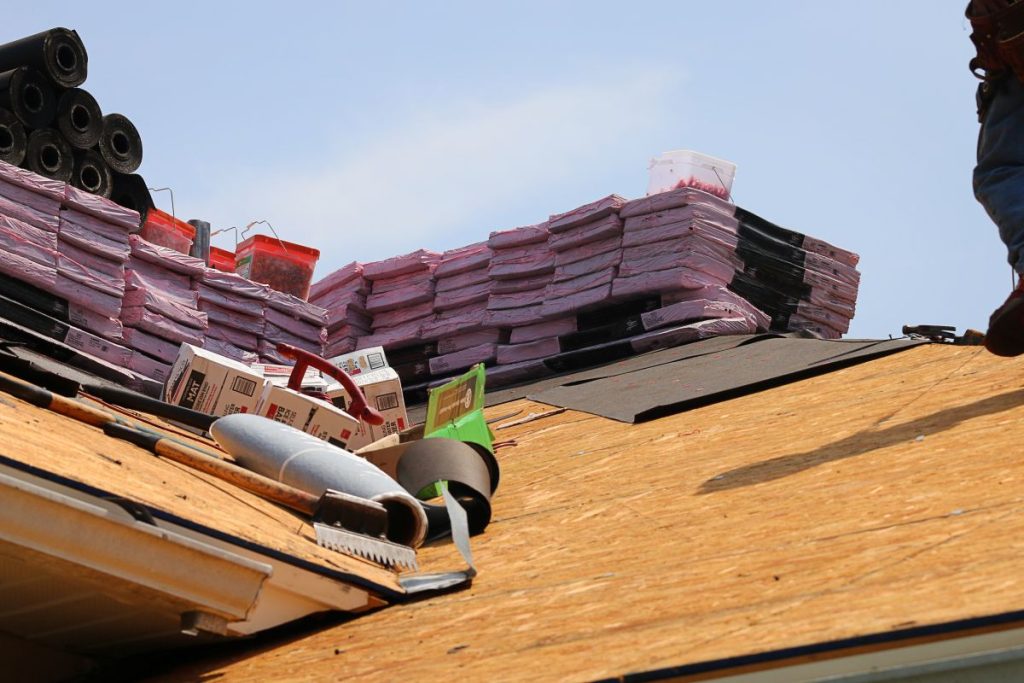
The materials that go on before the roof shingles matter as much as the shingles themselves, and they add real dollars to any estimate. Synthetic underlayment, ice and water shield, drip edge, and starter strip all get itemized separately on well-written proposals.
- Synthetic underlayment: Roughly $15 to $30 per square for material and installation.
- Ice and water shield: Required along eaves and valleys, roughly $60 per roll.
- Drip edge and starter: Required accessories on any quality installation.
6. Flashing and Ventilation Work
Flashing around chimneys, walls, vents, and skylights should be replaced with new material during any full roof replacement. Ventilation upgrades, including new ridge vents or intake vents, may also be recommended depending on the current attic condition and airflow.
- Chimney flashing: New step and counter-flashing runs $300 to $800 per chimney.
- Pipe boots: Replaced with new lead or rubber boots for every roof penetration.
- Ridge vent: Adds ventilation capacity, typically $8 to $15 per linear foot installed.
7. Warranty Tier and Contractor Certification
Higher warranty tiers require certified contractors, and those installers typically price at a premium compared to non-certified alternatives. The extra cost buys longer coverage, better workmanship guarantees, and access to manufacturer-backed replacement programs if issues arise later.
- Standard warranty: Base manufacturer coverage available from any installer.
- Enhanced warranty: Requires certified contractor and additional accessory materials.
- Top-tier warranty: Reserved for the highest-certified installers in each manufacturer network.
8. Deck Repair and Unexpected Discoveries
Tear-off almost always reveals some level of decking damage that was not visible from the outside before the project started. Rotted sheathing, delaminated OSB, and old repairs left behind by previous roofers all need correction before a new shingle roof gets installed on top.
- Sheathing replacement: Typically $60 to $100 per sheet of new decking installed.
- Fascia repair: Rotted fascia boards often get replaced along with the roof edge.
- Contingency budget: Set aside 10 percent for unexpected repairs found during tear-off.
Shingle Roof Cost by Material Type
Here is a side-by-side look at what Denver homeowners can typically expect to pay per roofing square for a full installation, including labor and standard accessory materials.
| Shingle Type | Installed Cost Per Square | Typical Lifespan | Best Fit |
| Three-tab | $350 to $500 | 15 to 20 years | Rental properties |
| Architectural | $450 to $700 | 25 to 30 years | Most residential homes |
| Impact-rated | $550 to $850 | 30 years plus | Hail-prone Denver homes |
| Designer | $800 to $1,200 | Lifetime | Premium aesthetic upgrades |
| Solar reflective | $600 to $900 | 30 years plus | Energy efficiency focus |
According to the U.S. Department of Energy, homeowners can save on cooling costs by choosing reflective roofing options over standard dark-colored shingle materials, which is one reason cool-rated shingle products have grown in popularity across warmer Front Range neighborhoods.
We’re proud to serve home and business owners in Denver, CO, and nearby communities with full shingle roof replacement services and more.
When Replacement Beats Repair
Deciding between another repair and a full replacement often comes down to age and total damage across the roof surface. Replacing a roof is more cost-effective after 20 years, since ongoing repairs on aging shingles rarely extend the overall lifespan enough to justify the cumulative expense. More than 25% surface damage across the roof also suggests replacement over repair, since patchwork on that much of the roof rarely holds up and often costs nearly as much as starting fresh.
- Age threshold: Roofs older than 20 years typically favor replacement over repair.
- Damage percentage: More than 25% surface damage points toward full replacement.
- Repair frequency: Multiple repair calls in a short window signal deeper issues.
Common Shingle Roof Cost Surprises
Even homeowners who research pricing thoroughly still run into cost surprises during the replacement process. Knowing the most common ones ahead of time makes the estimate conversation easier to navigate.
- Deck damage: Hidden rot found during tear-off almost always adds unplanned cost.
- Old flashing: Reusable-looking flashing is almost never actually reusable in practice.
- Permit fees: City permits vary and are often billed separately from the base estimate.
- Landscaping repair: Damage to shrubs or gutters occasionally requires post-project repair.
- Change orders: Mid-project material or scope changes carry additional charges.
Frequently Asked Questions About Shingle Roof Cost
Homeowners planning a shingle roof replacement tend to ask a similar set of pricing questions before signing a contract, and clear answers ahead of time make the decision easier.
Why Do Shingle Roof Costs Vary So Much Between Contractors?
The biggest reason is scope, not skill. One contractor may include full flashing replacement and premium underlayment while another quotes a bare-bones tear-off and reinstall. Comparing estimates line by line reveals what each proposal actually covers, which usually explains most of the price difference on any asphalt shingle roof estimate.
How Long Does a Shingle Roof Replacement Take?
A crew of three to five roofers can complete a roof in 1 to 2 days on most standard residential projects. Larger homes, steep pitches, and complex roof designs with multiple valleys or dormers can extend the timeline slightly beyond that window depending on weather conditions during the project.
Does Insurance Cover Any Portion of the Roof Replacement?
Insurance covers roof replacement costs when damage results from a covered event like hail, wind, or fallen trees. Age-related wear and tear is not covered by standard homeowner policies, though many Denver-area replacements do qualify due to the region’s frequent hail activity throughout the storm season.
How Long Is a Shingle Roof Estimate Valid?
Most contractor estimates are valid for 30 to 60 days from the date issued. Material prices fluctuate based on supply and demand, and estimates issued during volatile market periods may need to be repriced if the project does not move forward within the initial validity window.
Get a Real Shingle Roof Cost Breakdown From Summit West Contracting
Understanding what actually drives the price of a shingle roof replacement is the first step toward making a confident decision on the biggest exterior investment most homeowners will make. Summit West Contracting is a veteran-owned Colorado business that provides scope-of-work driven estimates rather than sales-driven pricing, breaking down every material, labor, and accessory line so Denver homeowners can see exactly what each dollar covers. When you are ready to see real numbers on a real proposal, send us the details of your project and get a clear picture of what your replacement will look like from start to finish.

